

It’s characterized by difficulty falling asleep, staying asleep, or both. Many people with ADHD have insomnia, or trouble sleeping. Stimulant medicines such as Adderall can add to the problem.
Quick Answer: Can Alcohol Withdrawal Cause Headaches?
- That makes it a popular option for people managing jet lag, shift work, or occasional sleeplessness.
- REM sleep leaves us feeling rested and helps with memory, learning and concentration.
- Vilanterol, the LABA component, works by relaxing the muscles around the airways.
- Combining alcohol with sedative medications can be dangerous or even fatal as it could lead to hypoventilation or not being able to breathe deeply at night.
- Alcohol use and dependence appear to interfere with circadian rhythms—biological patterns that operate on a 24-hour clock.
Ideally, get in bed early and have an hour to read or hang with your partner, not your phone. Try to go to bed and wake up at the same time,” he said. But be aware of caffeine’s possible side effects and be ready to cut back if needed. If caffeine affects you, even small amounts may give you effects that you don’t want, such as being restless or not being able to sleep. People who are pregnant or trying to become pregnant and those who breastfeed should talk with their healthcare professionals about limiting caffeine. If you use caffeine to wake you up and keep you going, you aren’t alone.
Trazodone
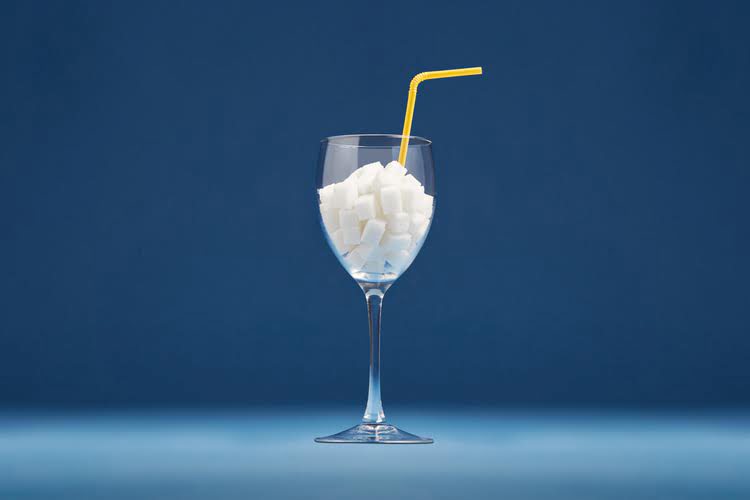
Lifestyle changes such as avoiding alcohol hours before sleep may be sufficient for treating mild, short-term insomnia. A 2019 study showed that individuals who sleep for under 6 hours each night have a 20% higher chance of heart attack than individuals who sleep between 6 and 9 hours. While a drink now and then may have a sedative effect that causes you to drift off faster, research shows that it can impede sleep quality in the long run. Although these medications and techniques can help ease symptoms, they do not heal the nerve damage. If the underlying cause of the neuropathy is treated, symptoms sometimes can resolve as nerves recover and regrow.
- Mixing alcohol with sleeping pills or sedative medications can be extremely dangerous.
- “For some people, it helps to get a bath or shower before bed as a way to relieve stress.
- While alcohol’s sedative effects wear off quickly, its impact on sleep quality and circadian rhythms can linger for several days.
- It’s worth it to consider ways your diet could be impacting your sleep.
- The World Health Organization (WHO) has declared that no amount of alcohol is safe to consume.
Alcohol and sleep issues
Insomnia can be easily treated for most and, if it is caught early enough, completely avoided before any permanent damage has taken hold. Unfortunately, many attempt to use the sedative effects https://www.williamintl.com.hk/quitting-alcohol-timeline-what-to-expect-in-weeks-4/ of alcohol to combat their insomnia through self-medication. Insomnia is often caused by stress, anxiety, or depression. In other cases, it’s caused by an uncomfortable sleeping environment, substance use, or shift work.
Is it safe to take melatonin with alcohol?
“I’ve had many patients who came back to me after curtailing alcohol use entirely and their sleep disorders resolved,” shares Dr. Foldvary-Schaefer. When you consume alcohol before bedtime, REM sleep typically pays the price. Below are some common questions around alcohol and sleep quality. Additionally, low-to-moderate alcohol consumption is always the best practice for minimizing sleep disruptions or health concerns.
Sleep Is an Art and a Science
Alcohol might seem like a handy sleep aid, initially helping you doze off, but it’s a double-edged sword when does alcohol cause insomnia it comes to quality rest. It disrupts the natural sleep architecture by reducing REM sleep, which is essential for mental rejuvenation, leading to vivid dreams or nightmares later in the night. This disruption can cause what’s known as “rebound wakefulness,” where you wake up in the middle of the night and struggle to return to sleep. Given these effects, if you or someone you know struggles with sleep after consuming alcohol, reducing or moderating alcohol intake, particularly close to bedtime, might be beneficial.

Surprisingly, around 20 percent of Americans use alcohol as their sleep aid, unaware it may worsen insomnia! For Alcoholics Anonymous me, if I drink even one regular full glass of wine, I will sleep for an hour and then be up pretty much all night! I’m sure that’s just my body chemistry, but I’m not alone. Understanding alcohol’s effects on sleep patterns can reveal why drinking too much for your own chemistry backfires and causes insomnia. Alcohol use and dependence appear to interfere with circadian rhythms—biological patterns that operate on a 24-hour clock.