

The Allure of Gambling: Understanding the Basics
The thrill of gambling has fascinated individuals for centuries, deeply rooted in the human psyche. The concept of winning, whether through chance or skill, creates a powerful emotional response that draws people to casinos. This allure is not just about money; it’s about the excitement and anticipation that comes with every spin of the wheel or flip of a card. For those interested in diversifying their experiences, exploring the best uk sports betting sites can provide a new dimension to the gambling adventure.
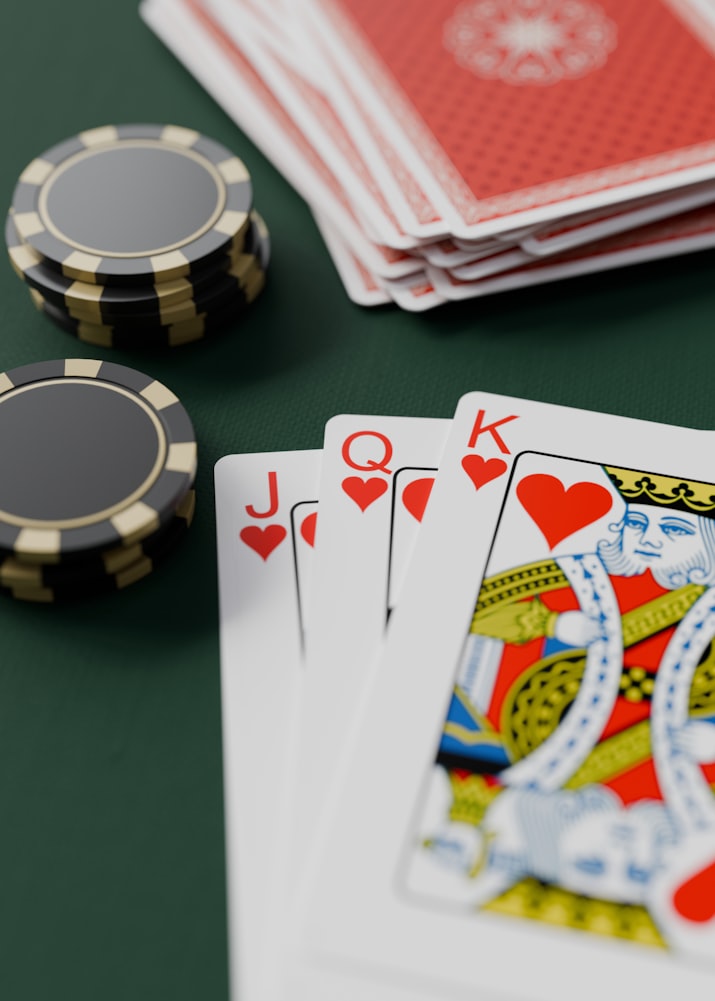
Moreover, the environment in a casino is designed to enhance this psychological experience. Bright lights, engaging sounds, and the overall atmosphere create a sensory overload that can lead to impulsive betting. It’s this cocktail of excitement and chance that peaks interest, encouraging gamblers to explore strategies that they believe can increase their odds of winning.
Psychological Triggers in Casino Design
Casinos are meticulously designed to influence players’ behavior and emotions. The layout of a casino, the placement of games, and even the use of certain colors all serve to create a specific psychological impact. For example, games are often situated in a way that keeps players engaged and encourages them to play longer, while free drinks can lower inhibitions and lead to riskier bets.
This strategic design taps into various psychological triggers, such as the near-miss effect, where players feel they are close to winning, prompting them to continue playing despite losses. This reinforces the behavior of gambling by creating a disconnect between the actual odds and the perception of winning, leading players to believe that they can develop effective strategies to overcome the house edge.
The Role of Cognitive Biases in Gambling
Cognitive biases heavily influence decision-making in gambling. One prevalent bias is the illusion of control, where players believe they can influence the outcome of games that are purely based on chance. This leads to the adoption of personal strategies, such as betting systems or rituals that players believe will enhance their chances of winning.
Another common bias is the gambler’s fallacy, where individuals think that past outcomes can predict future results. For instance, if a player sees a series of losses, they may feel that a win is “due.” These biases can cloud judgment and result in poor decision-making, often leading to greater losses despite the belief that they will eventually come out ahead.
Developing Winning Strategies: Myth vs. Reality
While many players pursue strategies that promise to increase their chances of winning, the reality is that most casino games are designed with a house edge. Understanding the mathematics of these games can help inform better betting choices. Strategies such as bankroll management can mitigate losses, but they do not change the odds of the game itself.
Consequently, while the pursuit of a winning strategy can provide a sense of control and purpose, it is vital for players to recognize the inherent risks involved. Embracing responsible gambling practices and being aware of the psychological factors at play can help players enjoy the experience without falling prey to detrimental habits.

Final Thoughts on Casino Psychology and Responsible Gaming
Exploring the psychological elements behind winning strategies at casinos reveals a complex interaction between human behavior and game design. Casinos thrive on the adrenaline of risk and reward, drawing players into an environment that can blur the lines between entertainment and obsession.
For those seeking to understand gambling’s psychological dynamics, resources and information are crucial. Educating oneself about responsible gaming practices and the psychology of gambling not only enhances the experience but also promotes healthier attitudes toward gambling. By remaining informed, players can enjoy the thrill while minimizing the potential pitfalls associated with gambling.